Brisky
April 2020 – August 2022 · Founder & CEO
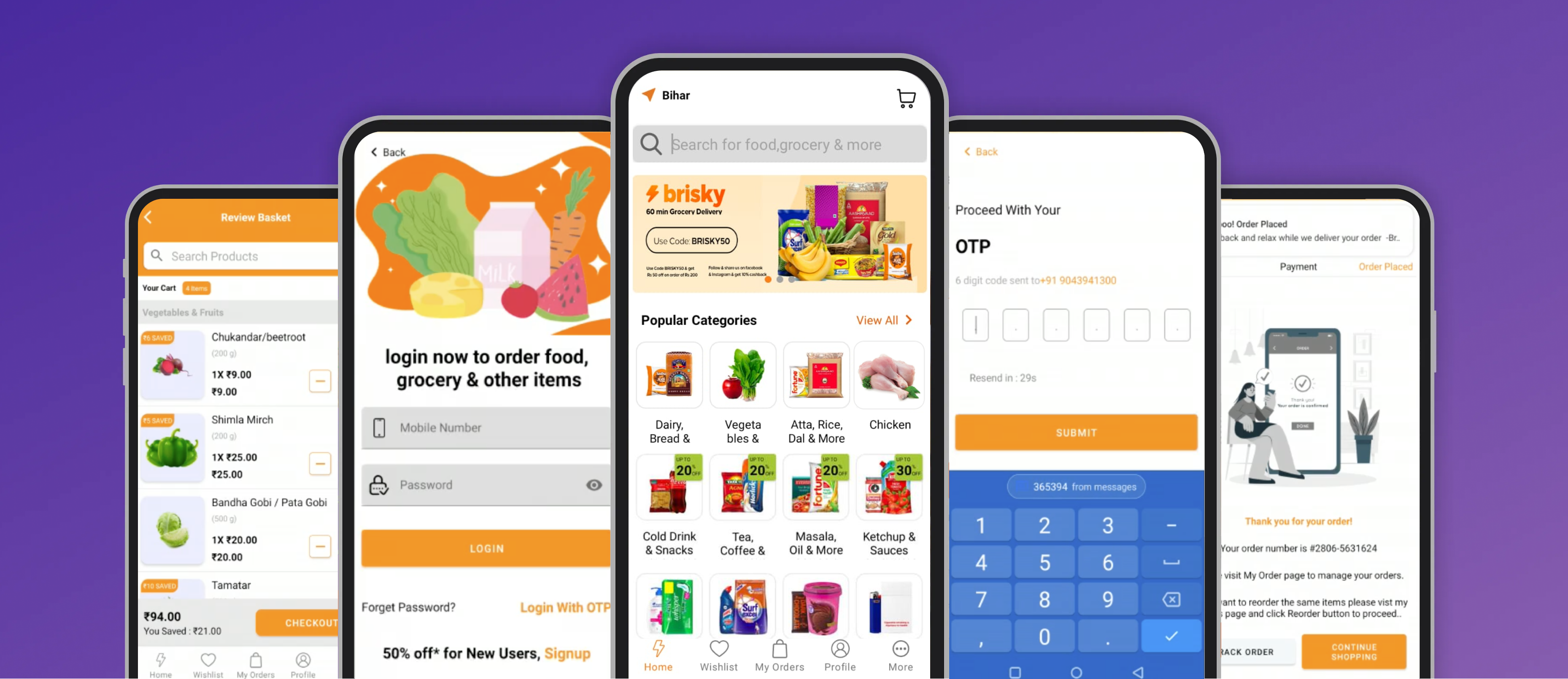
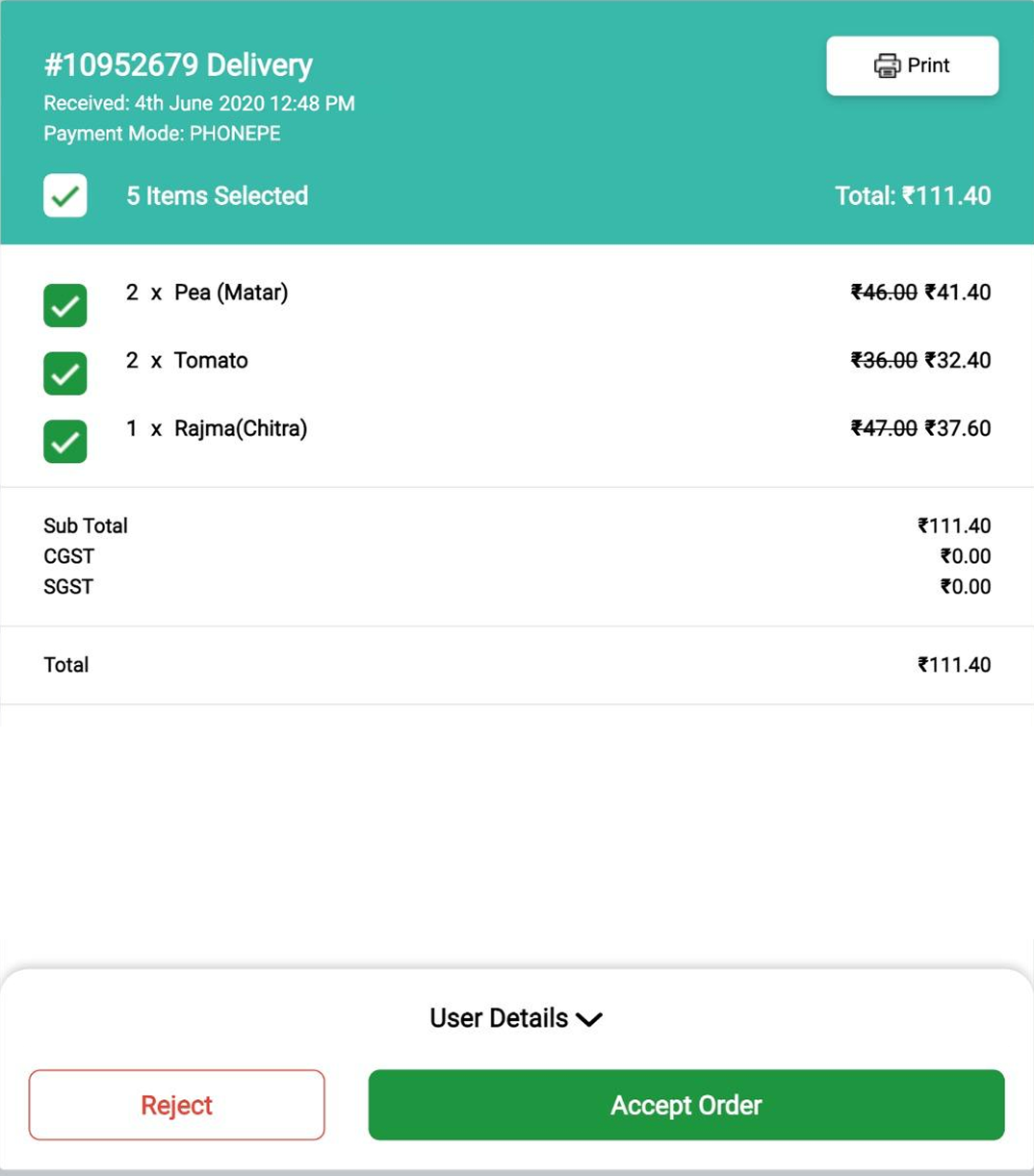
During the COVID lockdown I started Brisky, a grocery delivery business in my hometown in Bihar. It linked local grocery stores with the households around them. In 18 months it delivered more than 10,000 orders. It taught me that the product isn’t the business. The system around it is.
How it started
I left Airtel, and then the lockdown came
I left Airtel at 25, right after working on the launch of Airtel Thanks. I had no startup idea. I went home to take a break and work out what was next. The pandemic decided for me.
In smaller towns, getting groceries suddenly became hard. The stores were open and people needed groceries. What was missing was a way to get an order from one side of town to the other. I wondered if that could be a business. Not an app, a business.
Building it
I didn’t start with the app
My instinct was to start designing. Instead, I started calling people.
3 stores, 3 zones
Friends told me which grocery stores had the best name and prices. My father helped with introductions. Three stores agreed, and I split the town into three zones, one store each. No stock of my own, so no stock risk.
Delivery, hired on OLX
There was no pool of delivery workers during lockdown. A friend suggested OLX. I posted a job, and in twenty minutes about a hundred people replied. I hired two.
Now a customer could send an order, a store could pack it, and someone could deliver it. There was no real technology yet, and it didn’t matter. For the first time I saw that the product wasn’t the business. The system around it was.
The app
Then the designer became useful
Once the operation worked, the technology was worth solving. But I didn’t want to spend big before I knew people would order again.
Build it: ₹3,00,000
Three months of development, a big risk, and slow to learn anything.
Ready-made: ₹9,000
Live straight away, 97% cheaper, and a fast way to test the market.
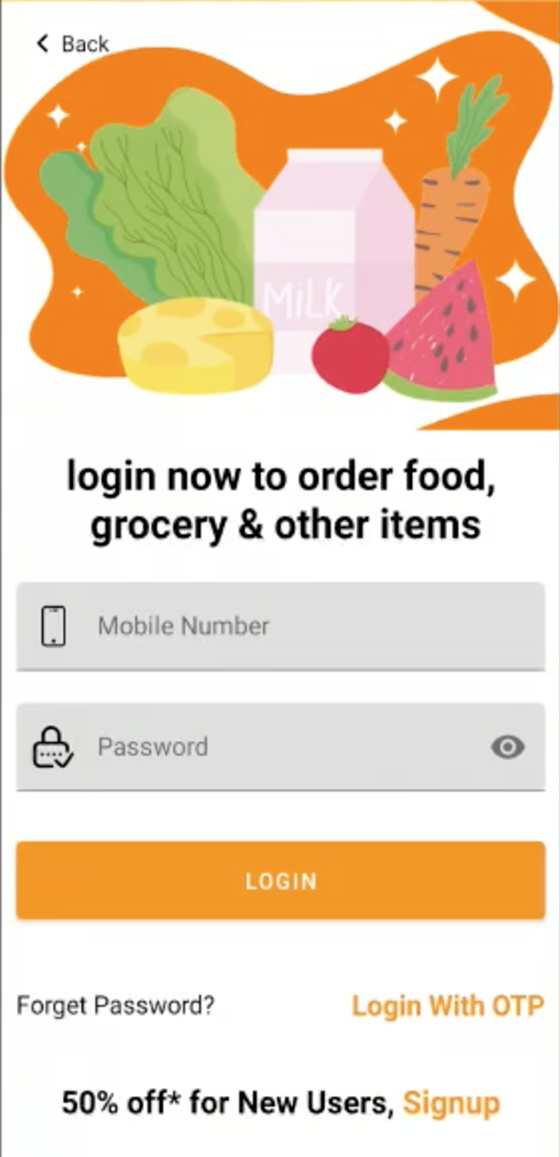
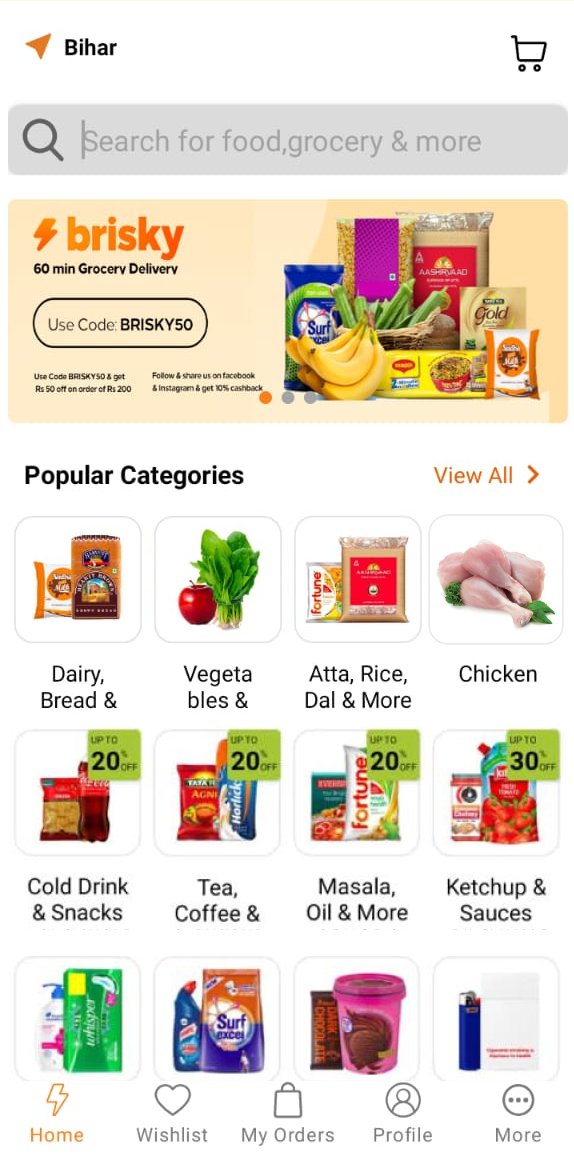
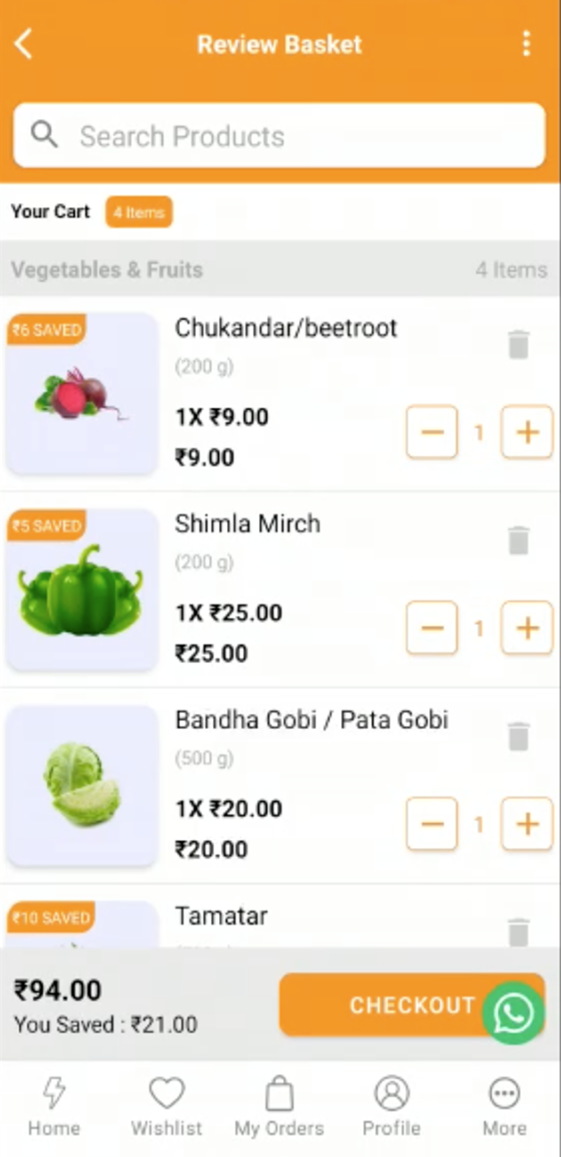
I picked a ready-made platform and set it up. It wasn’t beautiful, and I knew exactly what was wrong with it. That was strangely freeing. My job wasn’t to make the interface perfect. It was to find out whether the business deserved a better one. We launched. People ordered. Then they ordered again.
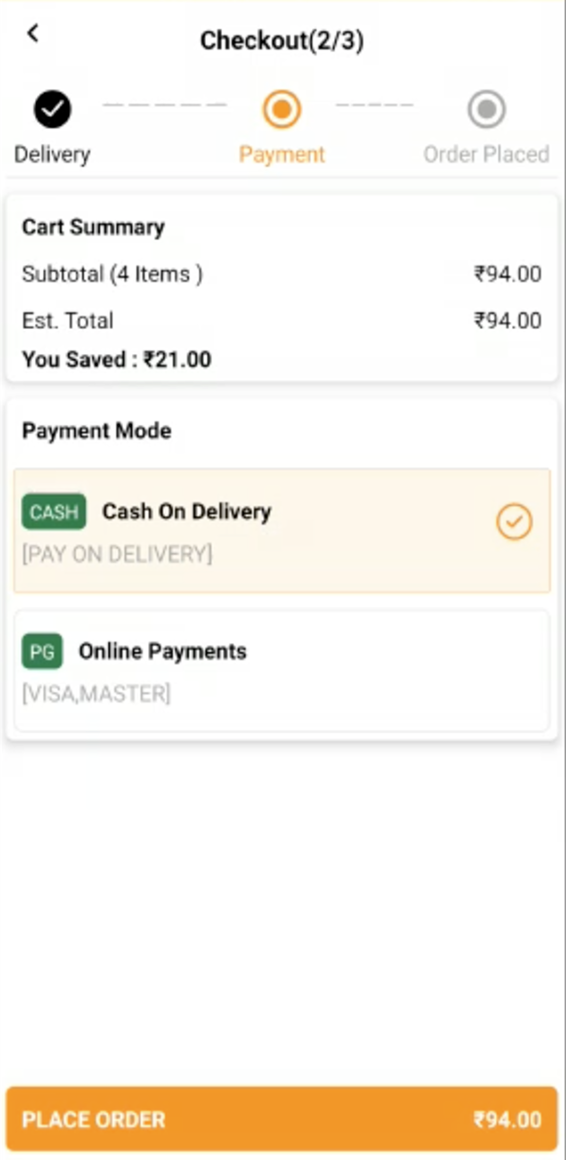
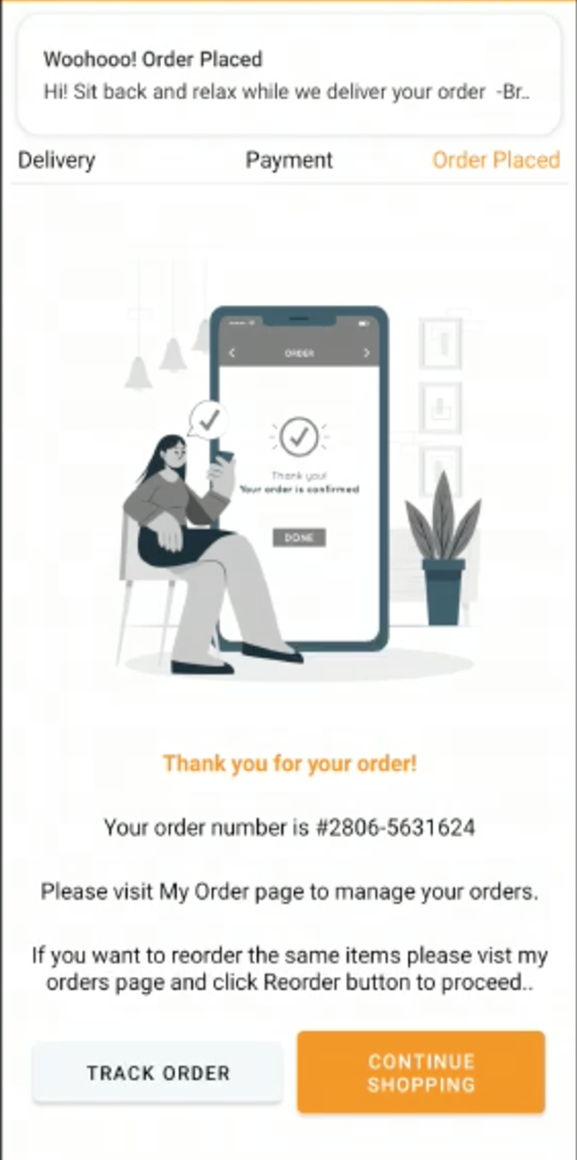
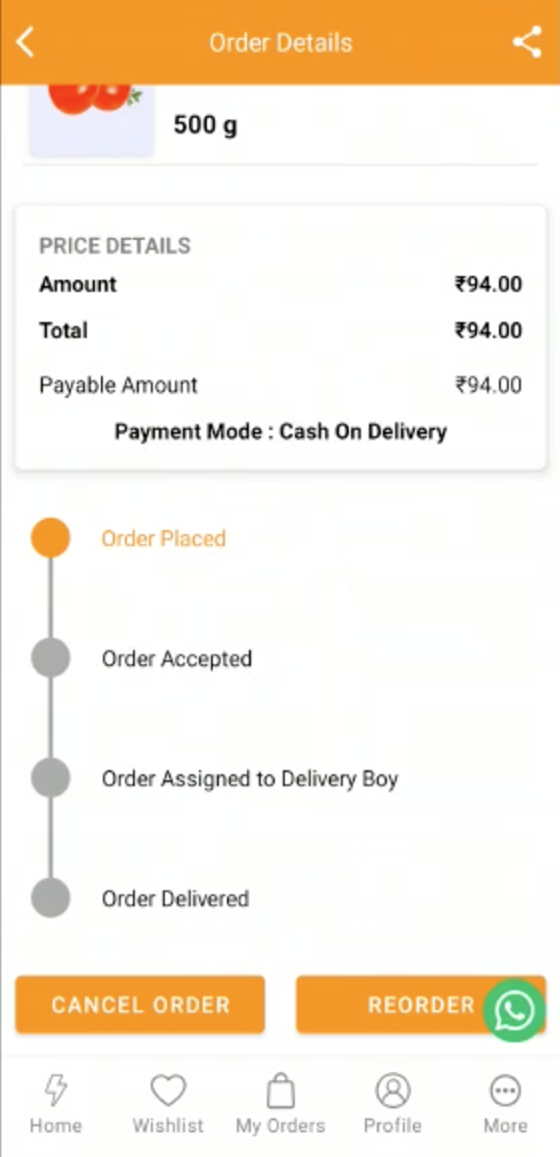

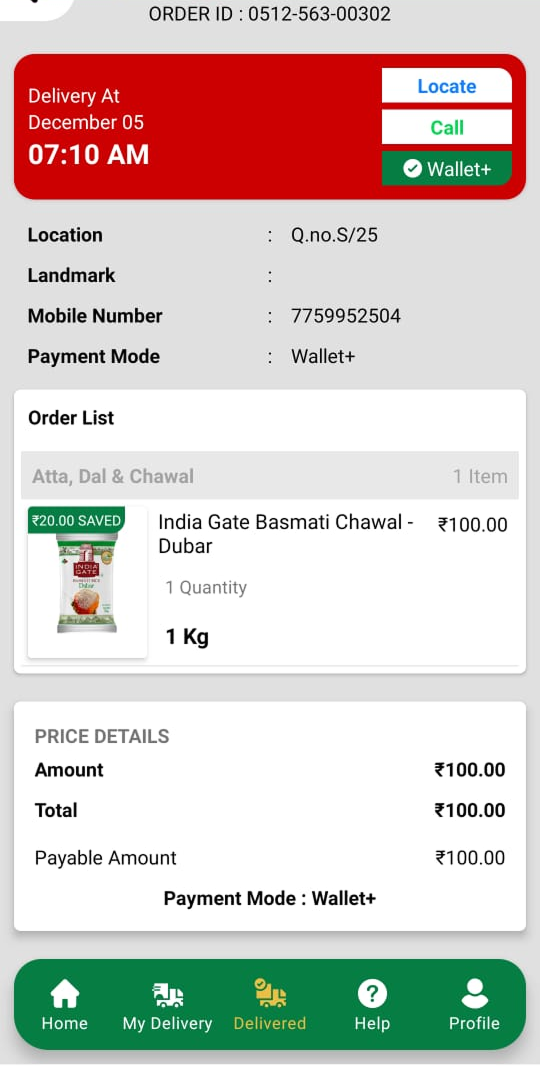
18 months
What running it taught me
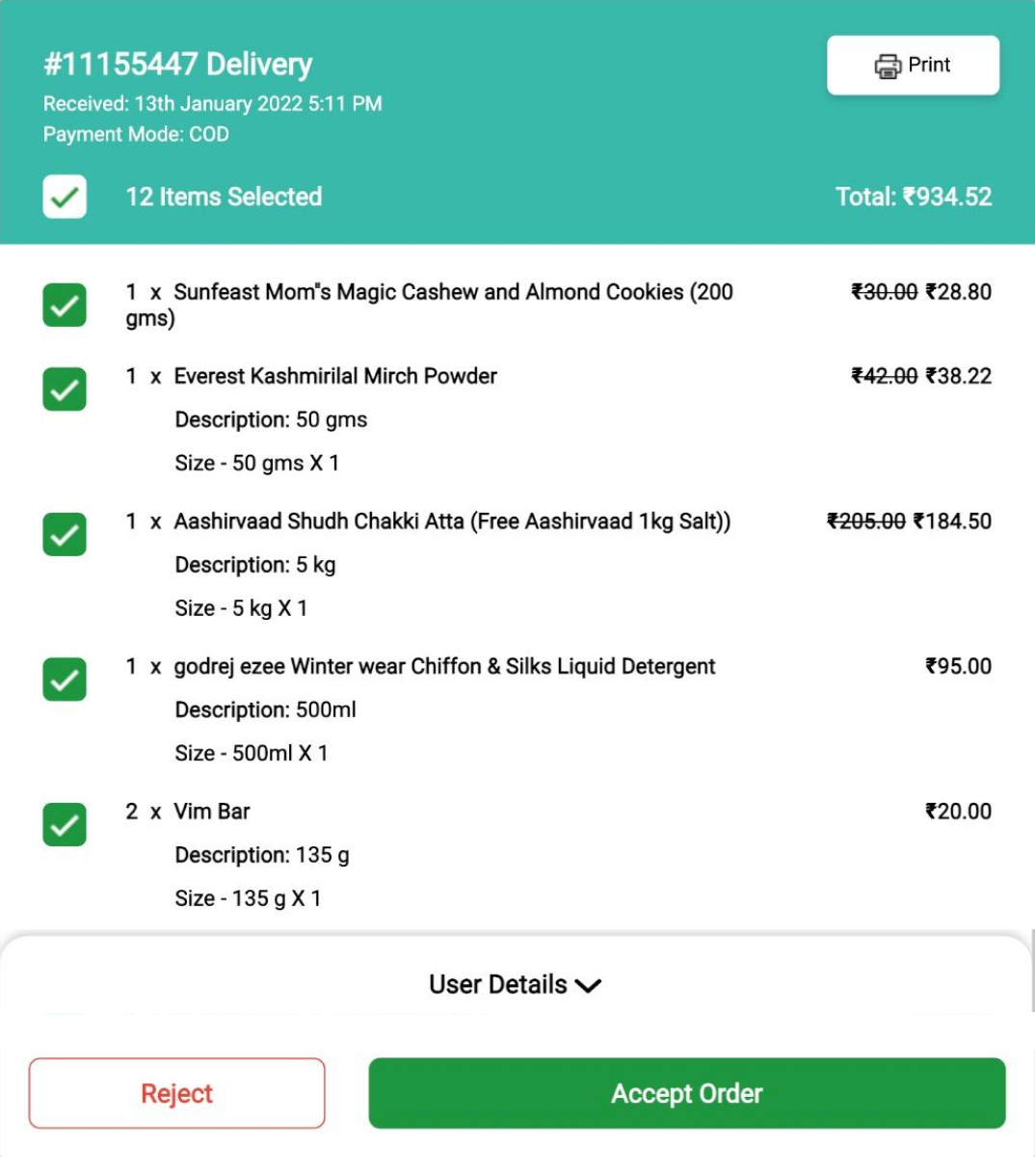
Brisky stopped being an experiment and became a business: more than 10,000 orders, about 2,000 active customers, around 70% coming back, and an average order of about ₹210. The idea worked.
But running it showed me everything an interface hides:
- A store runs out of an item.
- A delivery partner disappears halfway through the day.
- An order looks profitable until you count the delivery.
- A process that works while you’re there falls apart when you hand it over.
I started out thinking about the customer experience. I ended up thinking about the whole machine.
The decision
One town worked. Ten towns was a different business.
I wanted to take Brisky to other small towns in Bihar, places the big players weren’t going to reach. After 18 months I could see what that really meant. The problem wasn’t demand, and it wasn’t finding stores. The problem was doing it again without me being there.
Ten towns would need new stores, new delivery teams, new people, new processes and more money. Brisky had taught me how to make one market work, not ten. I had to decide if I wanted to spend the next few years building that machine. I didn’t. So I sold Brisky to one of the store partners.
Reflection
Looking back
At Airtel, I was given a problem and a team to solve it. At Brisky, I had to decide what the problem was, find the people, build the system, spend the money, deal with the failures and decide if the next step was worth it.
I started with a simple question: could I build something of my own? Eighteen months later the answer was yes. But I’d found a better question: when something works, what would it take to make it work without you? Learning to answer that became the next chapter of my career.